Paver Driveways vs. Concrete Driveways: Which Option Lasts Longer
People searching for paver driveway installation are often comparing durability and longevity, and local contractors can help choose and install the best option for lasting results.
Property owners exploring driveway options often consider durability and longevity to make the best investment for their homes. When comparing paver driveways and concrete driveways, understanding which one lasts longer can help in making an informed decision. This topic is especially relevant for those in the area who want a driveway that withstands daily wear and tear, extreme weather conditions, and the test of time. Local contractors specializing in driveway installation can provide insights and expertise to help determine the most resilient choice for each property’s unique needs.
Keeping this comparison in mind can lead property owners to solutions that balance both functionality and aesthetic appeal. Whether choosing the classic look of concrete or the versatile, customizable features of pavers, working with experienced service providers can ensure proper installation and long-lasting results. As you continue reading, you'll find practical information that highlights the benefits of each option and how local pros can assist in creating a driveway designed to stand the test of time.
- Paver driveways services are ideal for homeowners seeking a customizable, durable surface that can be easily repaired or replaced by local contractors. Concrete driveway installation is often chosen by those wanting a low-maintenance, long-lasting option handled efficiently by local service providers. When comparing paver driveways vs. concrete driveways: which option lasts longer, local pros consider material quality, installation techniques, and climate factors. Paver driveways may offer easier repairs and resealing, while concrete driveways are known for their strength and minimal upkeep over time. Local contractors can help evaluate which driveway type aligns best with long-term durability expectations based on specific project needs.
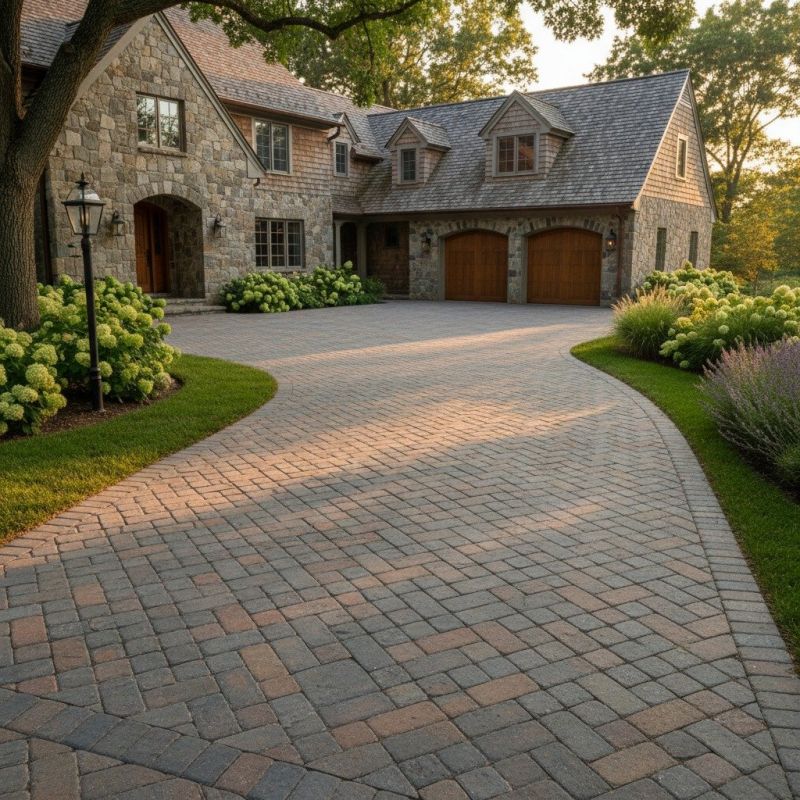
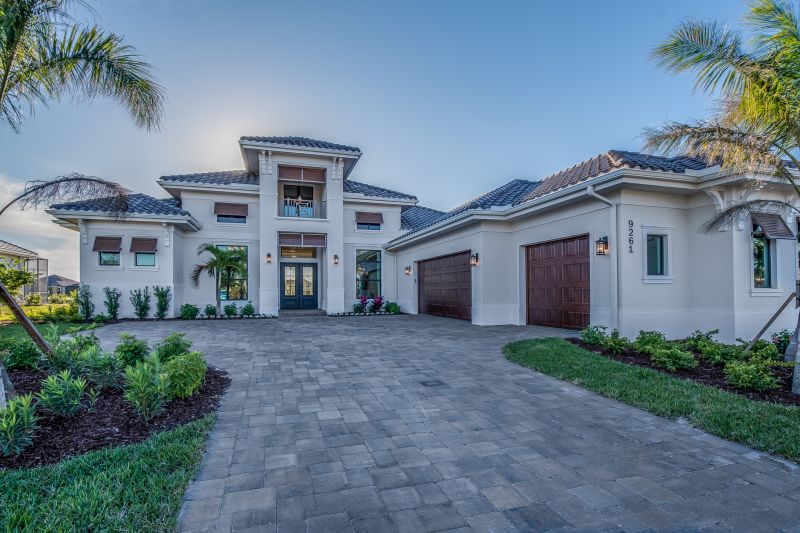
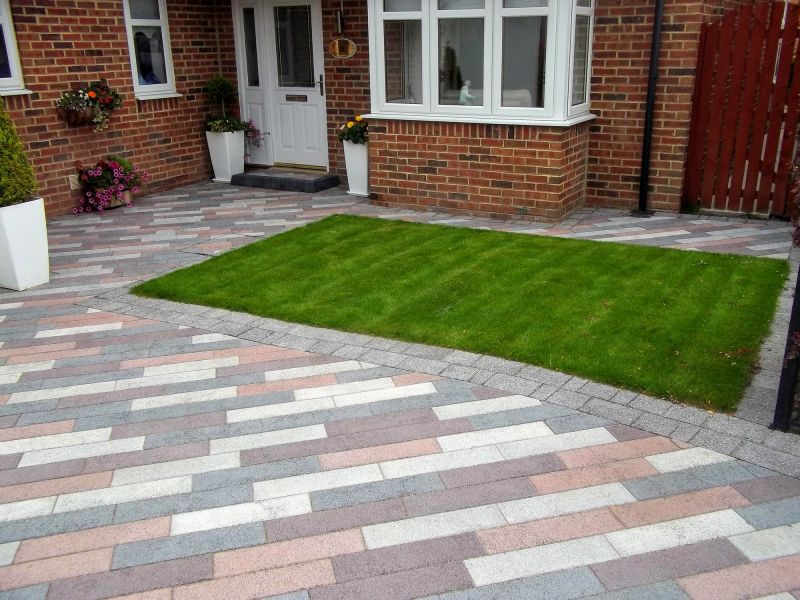
When homeowners explore options for upgrading or installing a new driveway, they often search for comparisons between paver driveways and concrete driveways, focusing on which lasts longer. This topic is commonly linked to plans for property improvements, long-term durability, and maintenance considerations. Property types that frequently come up include residential homes, especially those with driveways that see frequent use or need to withstand harsh weather conditions. Many property owners want to understand how different materials will perform over time to make informed decisions that align with their property's aesthetic and functional needs.
The discussion around paver driveways versus concrete driveways typically involves their ability to withstand everyday wear and tear, exposure to weather, and the impact of heavy vehicles. Paver driveways are often appreciated for their aesthetic versatility and ease of repair, since individual pavers can be replaced if damaged. Concrete driveways, on the other hand, are valued for their straightforward installation and generally uniform appearance. However, questions about which option lasts longer often relate to how each material responds to cracking, shifting, or surface deterioration over years of use. Local contractors who specialize in driveway installation can provide insights into how these materials perform in specific climates and soil conditions, helping homeowners choose a durable, long-lasting solution.
Understanding the longevity of paver driveways versus concrete driveways also involves considering maintenance practices and potential repairs. Pavers tend to be more forgiving if issues arise, as damaged or stained pavers can often be replaced without disturbing the entire surface. Concrete driveways may develop cracks over time, especially if ground movement occurs or if proper curing and installation techniques are not followed. Homeowners with properties in areas prone to freeze-thaw cycles or soil shifting should discuss these factors with experienced service providers who can recommend the most resilient options. These local contractors can assess the property's specific conditions and advise on the materials that will best stand the test of time.
The type of property often influences which driveway material is preferred for longevity. Residential properties with moderate traffic and stable soil conditions might find concrete driveways to be a practical, long-lasting choice. Conversely, properties requiring a more decorative or customizable surface might lean toward paver driveways, which can offer durability with proper installation and maintenance. In either case, connecting with local pros who specialize in driveway installation ensures that the chosen material is installed correctly and suited to the property's unique demands. These service providers can help homeowners weigh the benefits and limitations of paver versus concrete driveways, guiding them toward an option that will last for many years to come.
Paver installation projects involve precise planning and layout skills similar to those needed for driveway comparisons, ensuring durable and long-lasting results.
Concrete pouring services require expertise in surface preparation and finishing techniques that are also essential in driveway material installation and longevity assessments.
Patio and walkway construction projects utilize similar tools and planning strategies as driveway installations, focusing on durability and aesthetic appeal.
Retaining wall construction involves foundational work and material selection processes comparable to those in driveway material comparisons for longevity.
Landscape paving projects demand knowledge of materials and surface grading that align with driveway installation considerations for lifespan and durability.
Driveway repair and resurfacing services require understanding of existing materials and structural integrity, paralleling the evaluation of paver vs. concrete longevity.
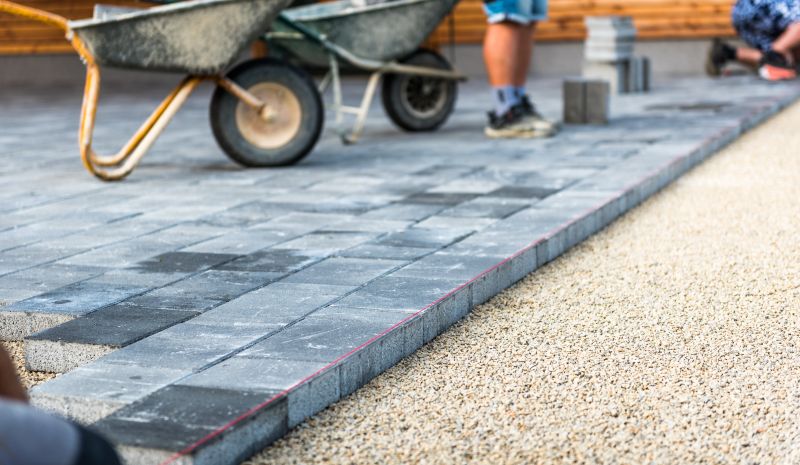
When evaluating contractors for paver driveway installation services, it’s important to consider their experience with similar projects. Homeowners should inquire about the types of driveways they have installed in the past, especially those involving paver systems versus concrete. Contractors with a proven track record in paver installation can demonstrate familiarity with the unique techniques required for durable, long-lasting results. Additionally, reviewing reputable references or examples of completed work can help gauge their ability to deliver quality craftsmanship that meets expectations for longevity, particularly when comparing paver driveways vs. concrete driveways in terms of durability.
Clear written expectations are essential when choosing between different driveway options. Service providers should be able to outline what the installation process involves, including surface preparation, material selection, and finishing details that influence the lifespan of the driveway. A detailed scope of work helps homeowners understand the differences in maintenance and durability between paver driveways and concrete driveways. Ensuring that all aspects of the project are explicitly described in writing can prevent misunderstandings and provide a basis for evaluating which contractor is best suited to handle the specific demands of paver installation services versus concrete work.
Good communication is a key factor in selecting a reliable local contractor. Homeowners should seek out service providers who are responsive and willing to answer questions about the longevity of each driveway type, including how paver driveways compare to concrete in terms of durability over time. Contractors who communicate clearly can better explain the advantages and limitations of each option, helping homeowners make informed decisions based on their needs and preferences. Establishing a relationship with a contractor who maintains transparency and offers thorough explanations can contribute to a smoother installation process and confidence in the long-term performance of the driveway.
Property owners often search for paver driveways vs. concrete driveways: which option lasts longer when they are planning practical projects around their homes and businesses. Local pros provide Paver Driveway Installation services for everyday jobs and straightforward project options.
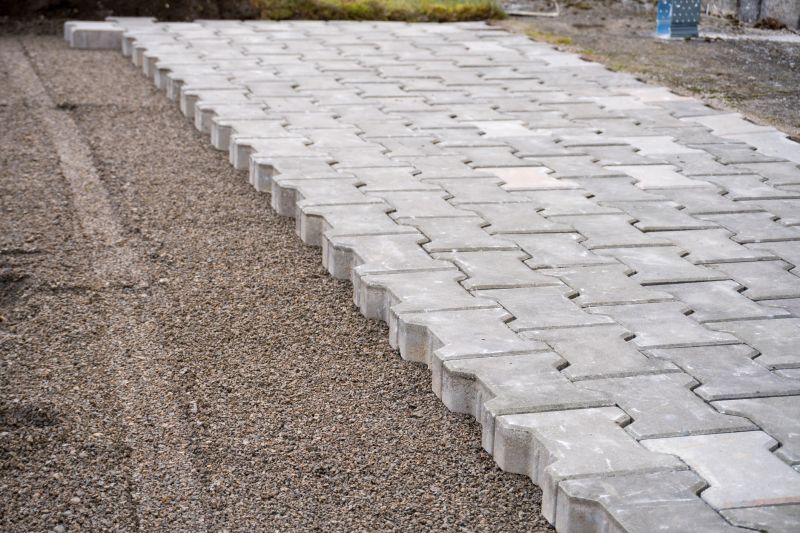
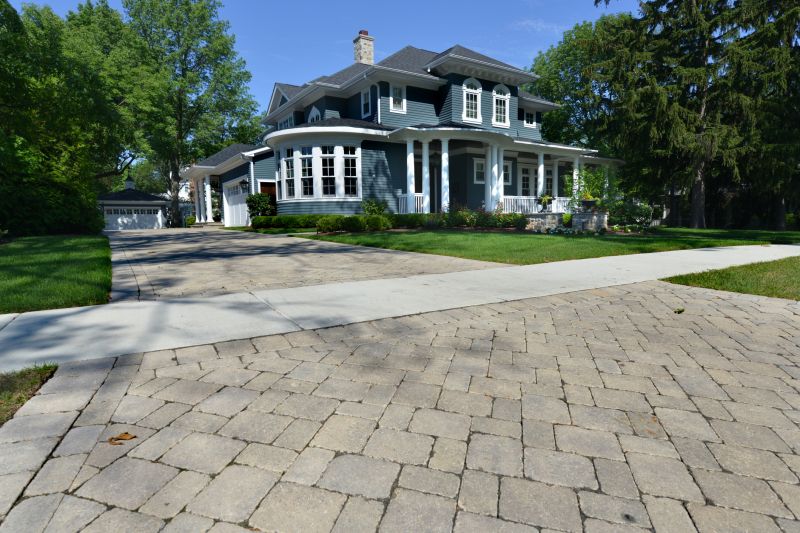
When considering driveway options, property owners often wonder which material will stand up better over time. Paver driveways are known for their ability to withstand shifting and cracking, especially in areas with freeze-thaw cycles, because individual pavers can move slightly without damaging the entire surface. Concrete driveways, on the other hand, tend to be more prone to cracking as they age, particularly if not properly installed or maintained. Local contractors who specialize in driveway installations can provide insights into how each material performs in the local climate and soil conditions, helping property owners make informed decisions about durability and longevity.
Property owners looking for a long-lasting driveway may also consider the ease of repairs and maintenance when comparing paver driveways vs. concrete driveways. Pavers can be replaced individually if damaged, which often makes repairs simpler and less disruptive. Concrete surfaces typically require more extensive work if cracks or damage occur, potentially impacting their lifespan. Local service providers experienced in installing paver driveways can help assess the specific needs of a property and recommend solutions that maximize the driveway’s lifespan, ensuring it remains functional and attractive for years to come.
How does the durability of paver driveways compare to concrete driveways? Paver driveways are generally more durable because individual pavers can absorb impacts and are easier to replace if damaged, whereas concrete can crack over time due to settling or temperature changes.
Which type of driveway typically lasts longer with proper installation? When installed correctly, paver driveways often last longer because their modular design allows for easier repairs and maintenance, reducing the risk of total replacement compared to concrete driveways.
Are paver driveways more resistant to cracking than concrete driveways? Yes, paver driveways are usually more resistant to cracking because the flexible nature of pavers allows them to move slightly with ground shifts, unlike concrete which can develop cracks under stress.
Can local contractors help extend the lifespan of paver driveways? Yes, experienced local contractors can perform proper installation and ongoing maintenance that helps maximize the lifespan of paver driveways, ensuring they remain functional and attractive longer than concrete options.
What factors influence how long paver and concrete driveways last? Factors such as quality of materials, installation techniques, climate conditions, and ongoing maintenance influence the longevity of both paver and concrete driveways, with professional installation from local service providers making a significant difference.
Durability considerations - Property owners can work with local contractors to choose materials that best withstand their climate and usage patterns, ensuring a longer-lasting driveway.
Maintenance planning - Planning routine upkeep with local pros can help preserve the condition of paver or concrete driveways, extending their lifespan over time.
Installation quality - Proper installation by experienced service providers can significantly impact how long each driveway type remains in good condition.
Material selection - Consulting with local experts about different paver and concrete options allows property owners to select materials that offer increased longevity for their specific needs.
If you are thinking about paver driveways vs. concrete driveways: which option lasts longer for a property, this guide is meant to help you understand this topic, the typical project types, and how different options might fit your plans.
When you are ready, you can use the quote form on this page to share a few details about your project. From there, local pros can review the basics and follow up with options that match what you have in mind.